
It’s all in the skins
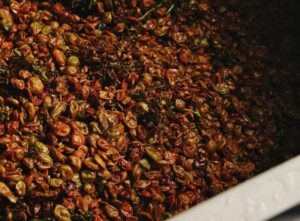
If you grab almost any wine grape and squeeze it, the juice will be clear no matter what color the skin is. Red wine actually takes on its color by leaving the skins in with the juice from the grapes while it ferments, sometimes for weeks. When white wine is pressed, the skins come out immediately, thereby giving up the ability to impart their color on the juice that will eventually become wine.
The difference in that process can explain more than just the color of the wine. The grape skins, along with the seeds and stems, are also where tannin lives. Tannins give that dry, slightly gripping feeling you get from a big red wine or a strong cup of tea. The longer the skins sit in the juice, the more tannin and color the wine picks up. That’s why white wine feels soft and light while red wine can feel sharper.
Furthermore, rosé, orange wine, and sparkling wine are really just variations on that same idea. Rosé is red wine that only gets a few hours with the skins instead of a few weeks, enough to pick up color and a little flavor but not much tannin. Orange wine flips it around: white grapes ferment on their skins like a red wine, sometimes for months, which turns them a deep amber and gives them real texture. And sparkling wines like champagne or prosecco have nothing to do with skins at all. The sparkle, or effervescence, comes from a second fermentation. For champagne, that second fermentation happens in the bottle itself, whereas prosecco undergoes its fermentation in a large tank before bottling. As the wine undergoes that second fermentation, the sealed bottle or tank traps carbon dioxide in the wine instead of letting it escape, leading to the bubbles.
The famous reds: Pinot Noir, Merlot, and Cabernet Sauvignon.
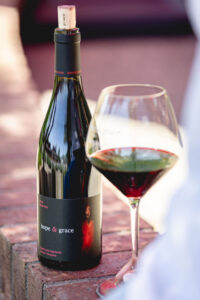
Line these three up and the differences come down to one thing: how thick the grape skin is, and how long it sits in the juice.
Pinot Noir has a famously thin skin, so it makes a lighter wine, both in color and in weight. Pour a glass and you can usually see right through it. It tastes like red fruit, mostly raspberry and cherry, with a bit of earthiness, and it’s soft and bright rather than heavy.
Cabernet Sauvignon sits at the other end. Thick, tough skin means more tannin and more color, so the wine comes out dark, almost impossible to see through, with dark fruit flavors like blackberry and black currant and enough grip that it can stand up to and pair well with a steak.
Merlot sits in the middle. Its skin is thinner than Cabernet’s but thicker than Pinot Noir’s, and the wine follows suit: medium body, softer tannin than Cabernet, dark fruit flavors like plum and cherry, but rounder and easier to drink.
If you wanted to go by feel, Pinot Noir is the lightest and most delicate of the three, Cabernet Sauvignon is the boldest, and Merlot is the easy middle ground.
The famous whites: Sauvignon Blanc and Chardonnay.
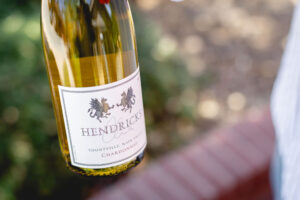
White wine has less variation in tannin since the skins barely touch the juice, so the differences here come down to flavor, and to one process in particular: oak.
Sauvignon Blanc is tart and bright, citrusy with sometimes a grassy, green-pepper edge, and it’s almost always made in stainless steel instead of oak barrels, which keeps it crisp and zippy.
Chardonnay is the one that goes either way. Made in stainless steel, it tastes crisp and appley, close to Sauvignon Blanc or Pinot Grigio. Aged in oak, it picks up a rounder, creamier texture and flavors like toast and baking spice. That famous “buttery” taste people talk about doesn’t actually come from the oak itself, it actually comes from a separate step called malolactic fermentation, which softens the wine’s natural tartness into something closer to cream. Winemakers choose how much of that process to use, which is why two bottles of Chardonnay can taste completely different from each other.
Taste it yourself!
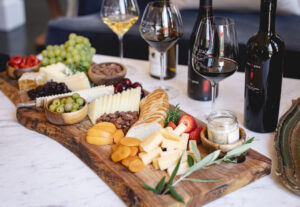
Reading about the nuances between one wine and another can be one thing, but a true wine tasting is the best way to actually understand the differences with all your senses. Visit our Yountville salon for a tasting and let us take you through the full experience, where you’ll learn firsthand that wine is more than just a taste, it’s something you can see, feel, and smell. We’d love to have you!
Book a Tasting Here